
It is a commonly held belief that spells are demons, bound in leather & parchment. Wizardly grimoires then are highly valued because they are difficult to obtain & likely unique. (System dependent - scribing is a long held tradition amongst wizards. However, both Knave 2e & Cairn 2e, my OSR touchstones, are explicit that spells cannot be copied).
Most magic advancement comes from stealing a spellbook from a deceased wizard, either long dead or recently murdered. But what if we cut out the middleman and went straight to the source?
Demons as Spellbooks as Encounters
Wizards seeking unique spells must seek demons to either slay or barter with. A slain demon will transform into memetic information and fly into a binding vessel rather than let itself dissipate. Typical binding vessels are spellbooks, though crystal spheres, wands & staves can be fabricated for a similar function. Illiberal wizards might even use their flesh as a binding vessel to ensure no others can steal their arcane secrets. A slain demon without a vessel to inhabit will fly into a creature's mind, quickly driving them mad and transforming their host into the same demon.
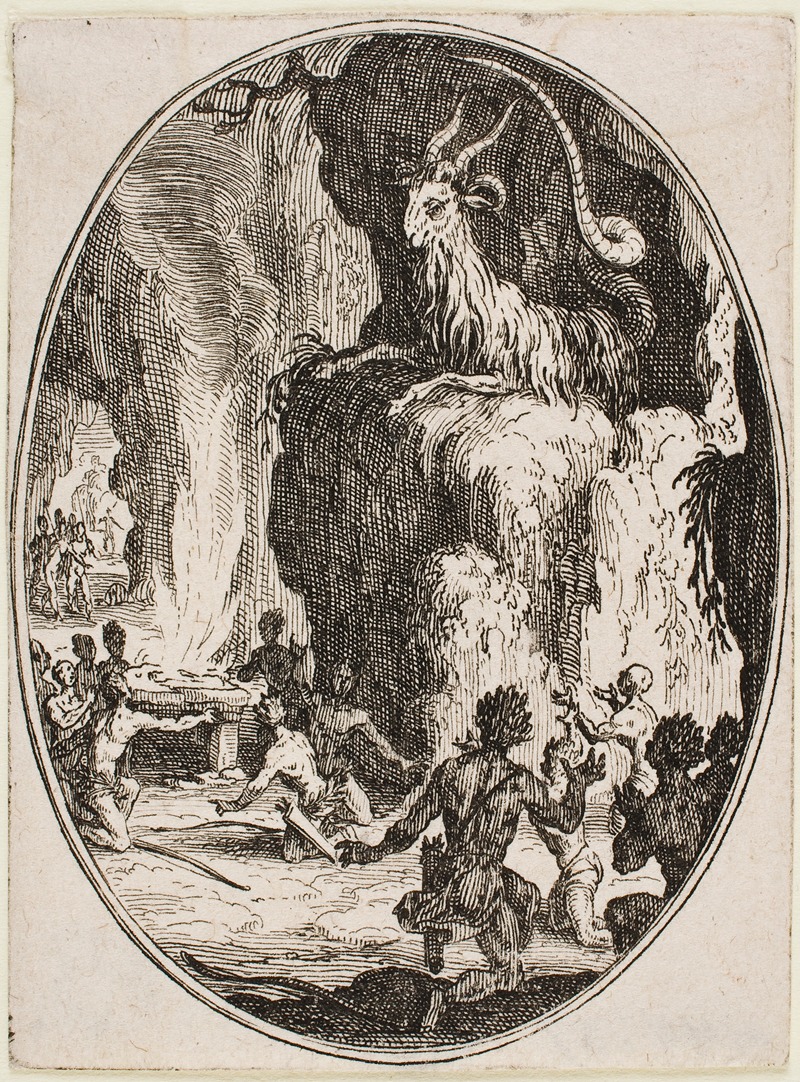
Demons might also barter, though are always loathe to give up their freedom. Building a tower to house the demon is a common request, one reason wizards often live in them.
Seeking a demon to acquire a specific spell works well if players are looking for keys to specific obstacles. Especially in designing a Metroidvania style-megadungeon with hard locks or gates, players can reason "We need to kill the demon of water breathing if we want to get through the underwater tunnel."
Demons as personifications and manifestations of spells take those spells to the extreme. They find and cultivate environments to maximize their spells. Here are some examples from the Knave 2e spell list and potential obstacles the spell might help overcome.
1. Demon of Waterbreathing - lives in a wooden cottage at the bottom of a deep lake. Never surfaces, but sings poetry dedicated to the moon, releasing air bubbles. Obstacle: underwater passageway or dungeon.
2. Demon of Animate Object - lairs in an Ikea warehouse with a handful of enslaved carpenters. Some, but not all of the furniture is animated, turning the warehouse into a mimic-den of sorts. Obsessed with modern art. Obstacle: large statue blocking a path, putting on a magical puppet show for a childish prince.
3. Demon of Spiderclimb - already gifted a tower without stairs or ladders. It scuttles up the smooth surfaces between floors, taunting those stuck below. Obstacle: a chasm, a similar tower, a ceiling lever.
4. Demon of Fireball - dwells in a sweltering hot furnace. Ignitable pitch and oil leaks from the walls and ceiling. Loves demonstrating its power. Obstacle: Frozen door, a room full of enemies.
5. Demon of Magnetism - lives in a junkyard or an old battlefield full of rusted swords, a melancholic monster who laments past ruin. Can create small magnetic storms to whirl shrapnel and cut those within to shreds. Adventurers should take to not approach with metal armor. Obstacle: starting a gear mechanism, stealing keys from a distance.
6. Demon of Animal Friendship - wanders around a verdant forest, surrounded by charmed woodland creatures. Despises humans and those it can't enthrall but easily fooled by animal disguises (such as wearing the pelt & blood of a boar). Obstacle: A sleeping cow blocks a bridge, a skittish rat with a door key around its neck.

Illustrations of the book of Job P1.12 (1826), William Blake.
Wizards as Spellbooks as Encounters
If spells are both rare and dangerous to acquire, most rival wizards may only learn 1d4 spells in their careers. However, they would be absolute masters of these spells, extracting as much use out of their captured demons as possible. Wizards would similarly try to maximize their spell usage.
1. Wizard of Summon Idol & Spectacle - Can conjure both real stone statues and obvious illusions. Leads a religious cult, impersonating a godhead, using the illusions to give divine decrees and the statues as objects of worship. Followers are stoic lotus-eaters.
2. Wizard of Time Slow & Psychometry & Lock - Lives in a vault filled with time-based traps (room slowly fills with water, walls crush inwards, etc.) simply bypassed with slowed time. Each room is Locked. Psychometry lets the wizard identify and learn about objects. They sell this service, but keep a library of all the secrets they discover in the vault.
3. Wizard of Silence & Time Jump - this wizard is cloaked in a aura of silence, as they drag steel blocks around them. Upon encountering a foe, they will Time Jump the boxes and feign muteness, attempting to lure their target closer. After wasting time, the block will return, destroying their foe. (Ok, I've been doing my best by rolling on the d100 table in Knave, but this one is tough).
---
Creating spellbooks as encounters shows players what they can do with this power and makes treasure active instead of passive. Far cooler to win your magic through tricking a demon than off a the moldering corpse of a mage.


I love the idea of spells as demons that you have to defeat, then trap in your spell book. That's so smart. That's SO smart.
ReplyDeleteHigh praise from Mr. Worm himself! Thank you so much! I am realizing now this is like a Pokemon sub-game of sorts
ReplyDeleteI see “wizards as spell books” and my mind jumps to “sawing open the skull and eating the brain.”
ReplyDelete